REAL ESTATE
Chennai, India — Est. 2014
Real estate is, at its core, a promise about how something is made. It is the group's most natural extension — because building things properly, and building them to last, is what this group has done since 1982.
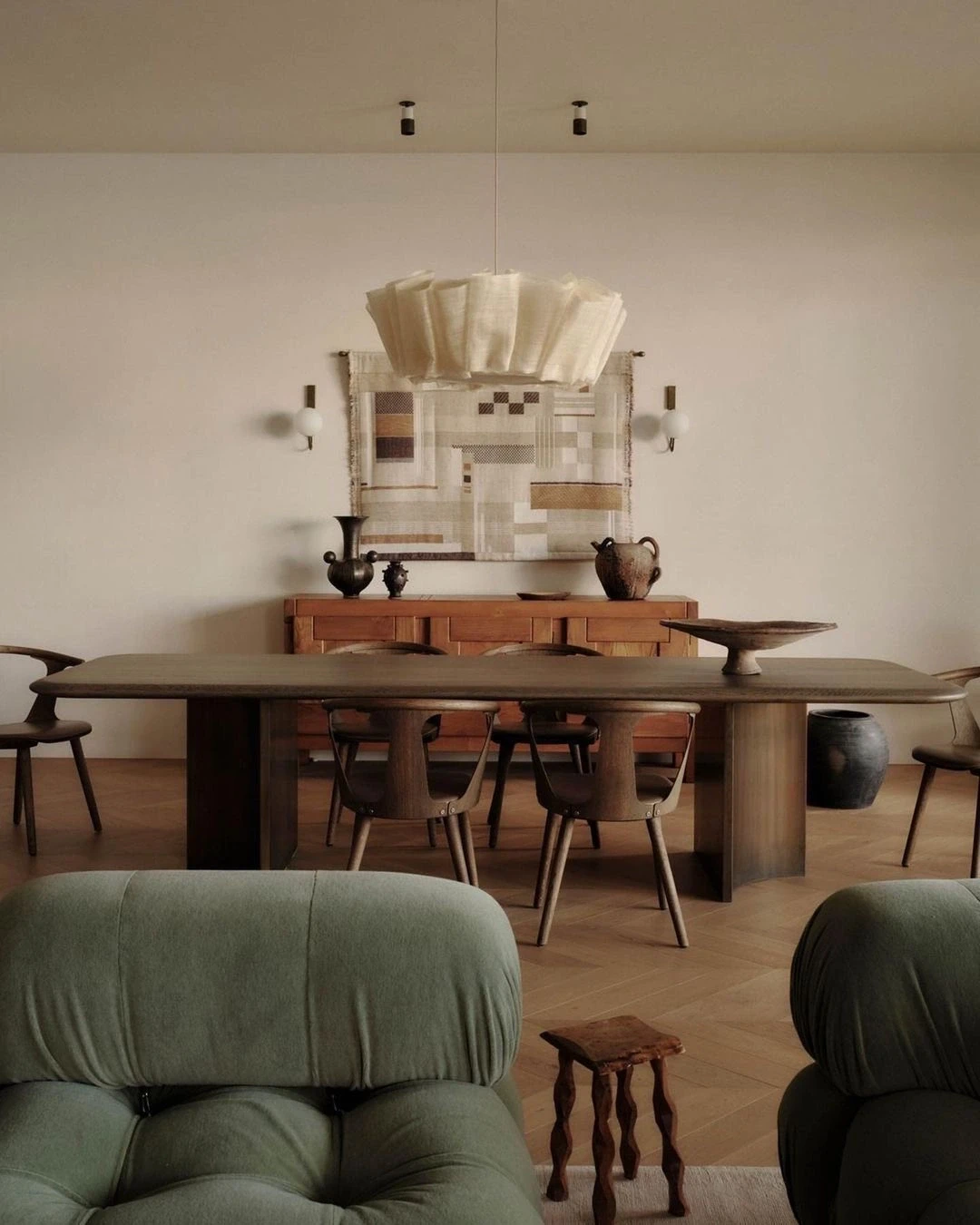
The discipline that runs a vertically integrated manufacturing operation, the eye that shapes an award-winning restaurant on the sand, the sensibility behind a design agency drawn to the curated over the mass-produced — these are not separate skills. They are one instinct, applied to different materials. In real estate, that instinct shows up in the parts a buyer feels before they can name them: the proportion of a room, the quality of light, the way a material ages rather than dates, the details that were never rushed.
Too much property is developed to a spreadsheet and finished to a deadline. The result is space that technically works and quietly disappoints. This is the opposite. Here, restraint is a feature, not a cost saving. Craft is assumed. And considered detail — the thing that separates a building people tolerate from one they love — is the starting point, not an upgrade.
What the group brings that a conventional developer cannot is the whole ecosystem behind a project. A design capability, in Volo, that understands both European design culture and South Asian market realities. A hospitality operation that has spent two decades learning exactly how people want to feel in a space. And a heritage of manufacturing that treats quality as something built in from the first decision, never inspected for at the end.
The philosophy is simple and unfashionably patient: build fewer things, build them better, and build them for people who can tell the difference. For anyone who has walked through a new development and felt that something intangible was missing, this is the alternative — property developed by a group that has spent forty years refusing to cut the corners no one can see.
Considered spaces, made to be lived in and to hold their value.